
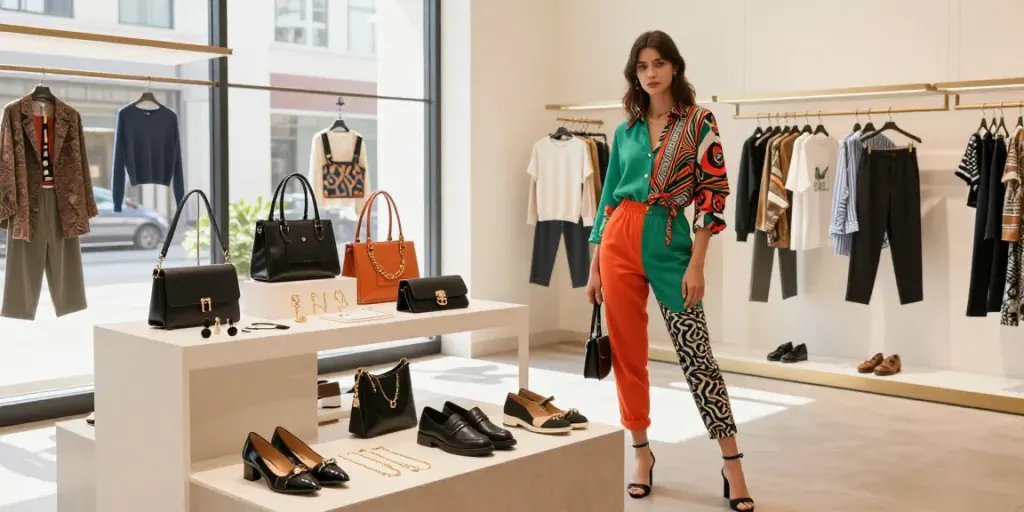
Understanding the peh888 Fashion Landscape
As the fashion industry continues to evolve, understanding trends, target audiences, and the influence of digital platforms becomes imperative for brands aiming to thrive. The peh888 trend encompasses a blend of entrepreneurial spirit and lifestyle aesthetics that resonate with a younger demographic. In this article, we will delve into the current fashion landscape shaped by these influences, and how brands can effectively navigate this space. For those looking for resources and insights on fashion marketing, peh888 provides comprehensive guidance to elevate your strategy.
Current Trends and Influences on Fashion
The contemporary fashion scene is characterized by a myriad of trends that reflect cultural shifts and technological advancements. Key trends influencing fashion today include:
- Sustainability: There is a growing emphasis on eco-friendly practices. Brands that prioritize sustainable sourcing and production methods are gaining credibility and consumer loyalty.
- Diversity and Inclusion: The industry is increasingly recognizing the importance of representation, leading to more inclusive sizing and diverse marketing campaigns.
- Digital Integration: The integration of technology in fashion, from augmented reality (AR) try-ons to virtual fashion shows, is reshaping consumer experiences.
Target Audience Insights for Fashion Brands
Understanding target demographics is crucial for effective marketing. The peh888 audience typically includes younger consumers, particularly Gen Z and millennials, who are digitally savvy and value authenticity. Here are some insights into their preferences:
- Value-driven Purchases: This audience prioritizes brands that align with their values, such as sustainability and ethical production.
- Social Media Engagement: Platforms like Instagram and TikTok are pivotal in shaping fashion preferences, with influencers playing a significant role in their purchasing decisions.
- Customization and Personalization: Many consumers seek personalized experiences, from tailor-made clothing to unique fashion items.
How Social Media Shapes Fashion Choices
Social media is a powerful tool in influencing fashion trends and consumer behavior. Platforms allow brands to reach a wider audience and engage directly with consumers. Notable aspects include:
- Influencer Partnerships: Collaborations with influencers can significantly boost brand visibility and credibility.
- User-generated Content: Brands that encourage customers to share their experiences create a community around their products, enhancing engagement and loyalty.
- Real-time Feedback: Social media provides immediate feedback, allowing brands to adjust strategies quickly based on consumer responses.
Optimizing Your Fashion Strategy for peh888
To succeed in the competitive fashion landscape, businesses must develop a comprehensive strategy that encompasses various facets of marketing and customer engagement. Here are essential strategies for online fashion retail.
Key Strategies for Online Fashion Retail
With the shift towards online shopping, it’s vital for fashion brands to create a seamless online experience. Key strategies include:
- Responsive Web Design: Ensure your website is mobile-friendly and visually appealing to enhance user experience.
- Efficient Shipping and Returns: Transparent shipping policies and hassle-free return processes help build consumer trust.
- SEO Optimization: Utilize effective SEO strategies to enhance visibility on search engines. Keywords related to peh888 and emerging trends should be integrated throughout your content.
Building a Compelling Brand Identity
A strong brand identity is crucial in establishing recognition and trust. Elements to consider include:
- Consistent Messaging: Ensure that your brand voice and messaging align across all platforms.
- Visual Branding: Invest in quality visuals that represent your brand’s ethos and appeal to your target demographic.
- Engagement with Customers: Foster a sense of community through interactive content and responsive customer service.
Leveraging Influencer Marketing Effectively
Influencer marketing can provide significant returns when executed correctly. To maximize your efforts:
- Choose the Right Influencers: Collaborate with influencers whose values align with your brand and who resonate with your target audience.
- Focus on Authenticity: Authentic partnerships yield better engagement. Avoid over-scripted promotions; instead, let influencers share genuine experiences with your products.
- Track Campaign Performance: Use analytics tools to measure the effectiveness of campaigns, adjusting strategies as necessary.
Creating Engaging Content for peh888
Content creation is a cornerstone of modern fashion marketing. Engaging and informative content can captivate your audience and drive conversions.
Visual Storytelling Techniques in Fashion
Storytelling through visuals enhances brand narrative. Consider these techniques:
- High-quality Photography: Invest in professional photography that showcases your products’ features and enhances their desirability.
- Behind-the-Scenes Content: Sharing the creative process helps humanize your brand and connect with consumers.
- Video Content: Utilize platforms like Instagram Reels and TikTok for dynamic storytelling that captures attention.
Utilizing User-Generated Content
User-generated content (UGC) provides authentic endorsements. Here’s how to leverage it:
- Encourage Sharing: Run campaigns encouraging customers to share their outfits and tag your brand.
- Feature UGC on Your Platforms: Showcase user content on your social media and website, creating a sense of community.
- Incentivize Engagement: Offer rewards for customers who contribute content, whether through discounts or featuring them in campaigns.
Best Practices for Fashion Photography
Photography can make or break a fashion brand’s appeal. Follow these best practices:
- Consistent Aesthetic: Develop a cohesive style for your visuals that reflects your brand identity.
- Lighting and Composition: Pay attention to lighting and composition to make products stand out.
- Model Diversity: Use diverse models to promote inclusivity and appeal to a broader audience.
Measuring Success in Fashion Marketing
Measuring the effectiveness of your marketing strategies is essential. Here’s how to define success and adapt as needed.
Defining Key Performance Indicators
Establishing clear KPIs allows brands to track performance effectively. Consider the following:
- Conversion Rates: Monitor the percentage of website visitors who make purchases.
- Customer Acquisition Cost: Calculate the total cost of acquiring a new customer to assess marketing efficiency.
- Social Media Engagement: Track likes, shares, and comments to evaluate audience interaction with your content.
Analyzing Customer Feedback and Trends
Feedback provides valuable insights into consumer preferences. Regularly analyze:
- Surveys and Reviews: Utilize customer surveys and online reviews to understand satisfaction and areas for improvement.
- Market Trends: Stay updated on emerging trends to keep your brand relevant.
- Competitor Analysis: Monitor competitors to identify successful strategies and gaps in the market.
Adapting to Market Changes in 2026
The fashion industry is constantly changing, and adaptability is key. To thrive, brands should be prepared to:
- Embrace Innovation: Stay open to new technologies and methodologies, from online fitting rooms to AI-driven personalization.
- Respond to Consumer Needs: Be agile in responding to shifts in consumer values and preferences.
- Invest in Analytics: Leverage data analytics to inform decisions and predict future trends.
The Future of Fashion and peh888
As we look ahead, it's clear that the fashion landscape will continue to evolve. Staying informed about emerging technologies and practices will be critical for success.
Emerging Technologies in Fashion Retail
Technological advancements will shape the future of fashion. Key emerging trends include:
- Augmented Reality (AR): AR technology will allow customers to visualize products in real-time, enhancing their shopping experience.
- Artificial Intelligence: AI can personalize shopping experiences based on customer behavior and preferences.
- Blockchain: This technology can provide transparency in supply chains, reinforcing trust in product sourcing.
Sustainable Practices in the Fashion Industry
Sustainability will be a significant driving force in the coming years. Brands that implement sustainable practices will likely gain a competitive edge by:
- Utilizing Eco-friendly Materials: Switch to organic, biodegradable, or recycled materials in production.
- Transparent Supply Chains: Provide information about sourcing and production practices to build consumer trust.
- Engaging in Circular Fashion: Promote recycling and upcycling initiatives to reduce waste.
Predictions for Fashion Trends in 2026
As consumer preferences shift, several trends are likely to dominate in 2026:
- Comfort and Functionality: As work-from-home scenarios persist, clothing that combines style with comfort will be increasingly sought after.
- Digital Fashion: Virtual clothing and accessories for avatars and influencers will carve out a niche market.
- Health and Wellness Focus: Fashion will continue to intersect with wellness, introducing garments that promote health benefits.
In conclusion, the peh888 fashion landscape presents both challenges and opportunities. Brands that strategically navigate these trends and leverage digital platforms will be well-positioned for success in the dynamic environment of 2026.